

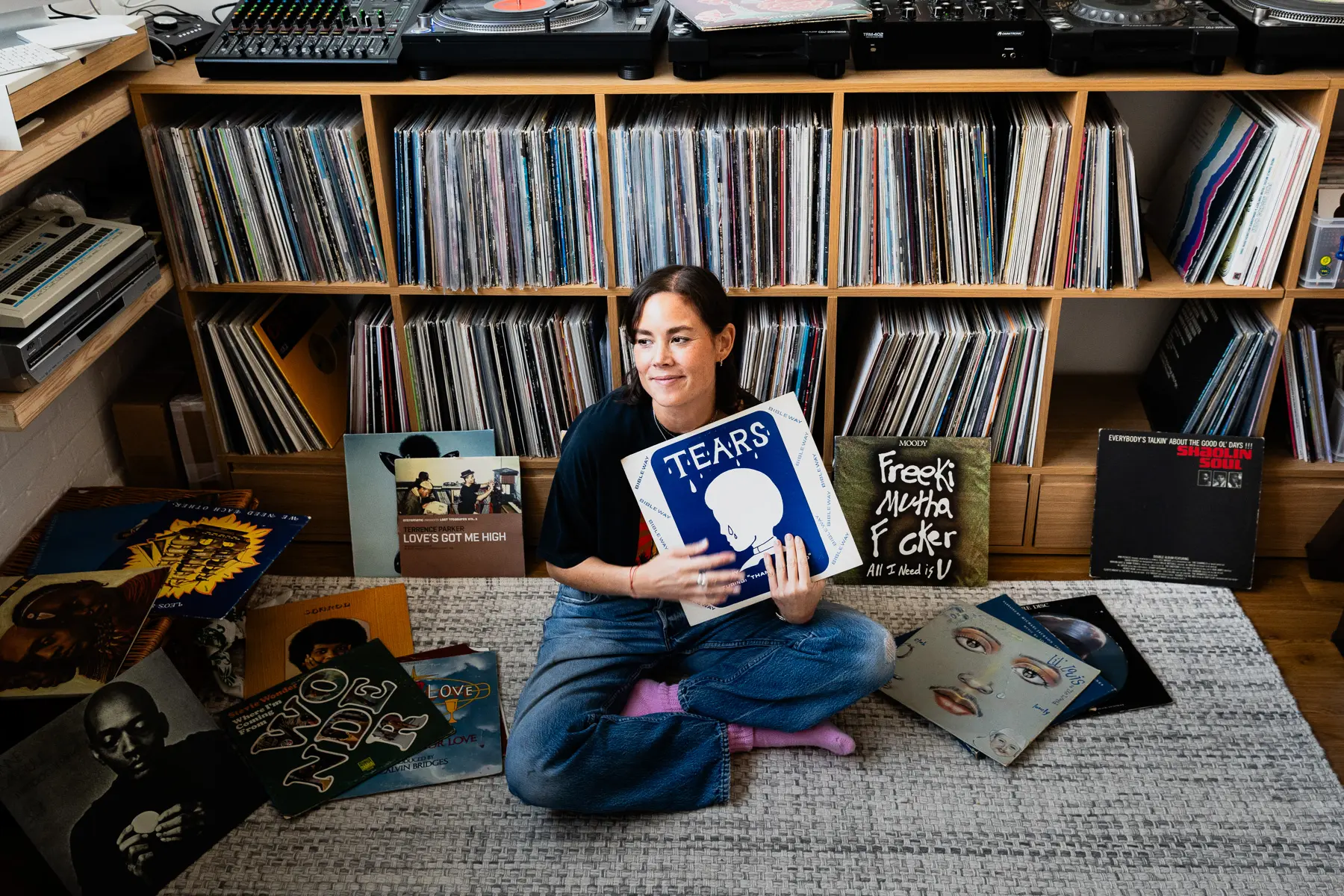
Louise Chen
Louise Chen is an iconic DJ whose incredible hard work has made her a crucial figure in the music scene at an impressively young age. She rose to success in 2012 after organising the renowned Girls Girls Girls club night at Social Club in Paris.
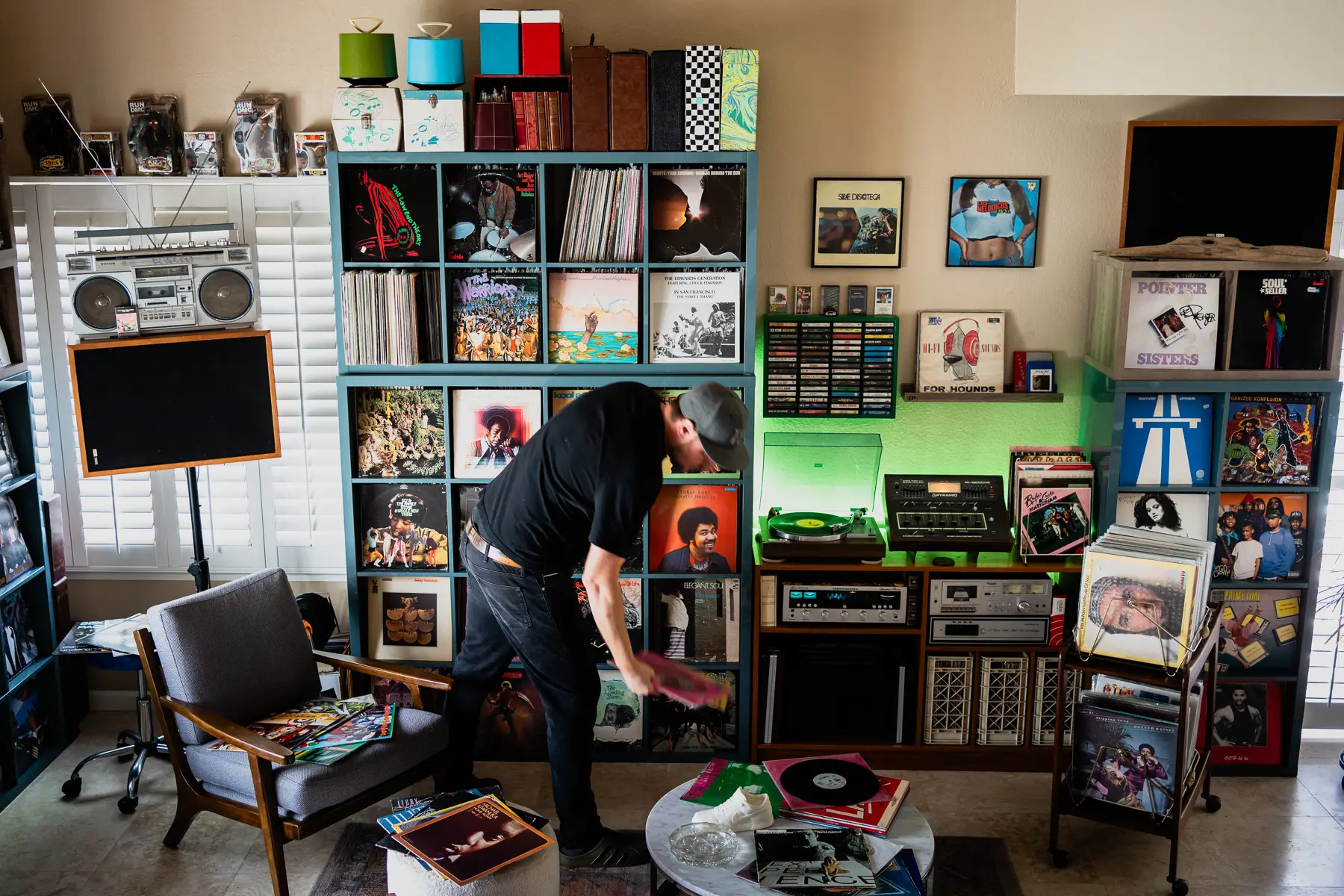
Platurn
When DJing went digital in the mid-2000s, and vinyl fell out of favor on the dancefloor, Iceland-native DJ Platurn decided to throw a party to celebrate the 45 rpm 7-inch format. What started as a get-together among vinyl-admiring friends has turned into the 45 Sessions–‘the West Coast’s premiere all-45 RPM outlet.’ Platurn helped restore 45s' status as an iconic DJing medium because he devoted the better part of his career to being a vinyl DJ.
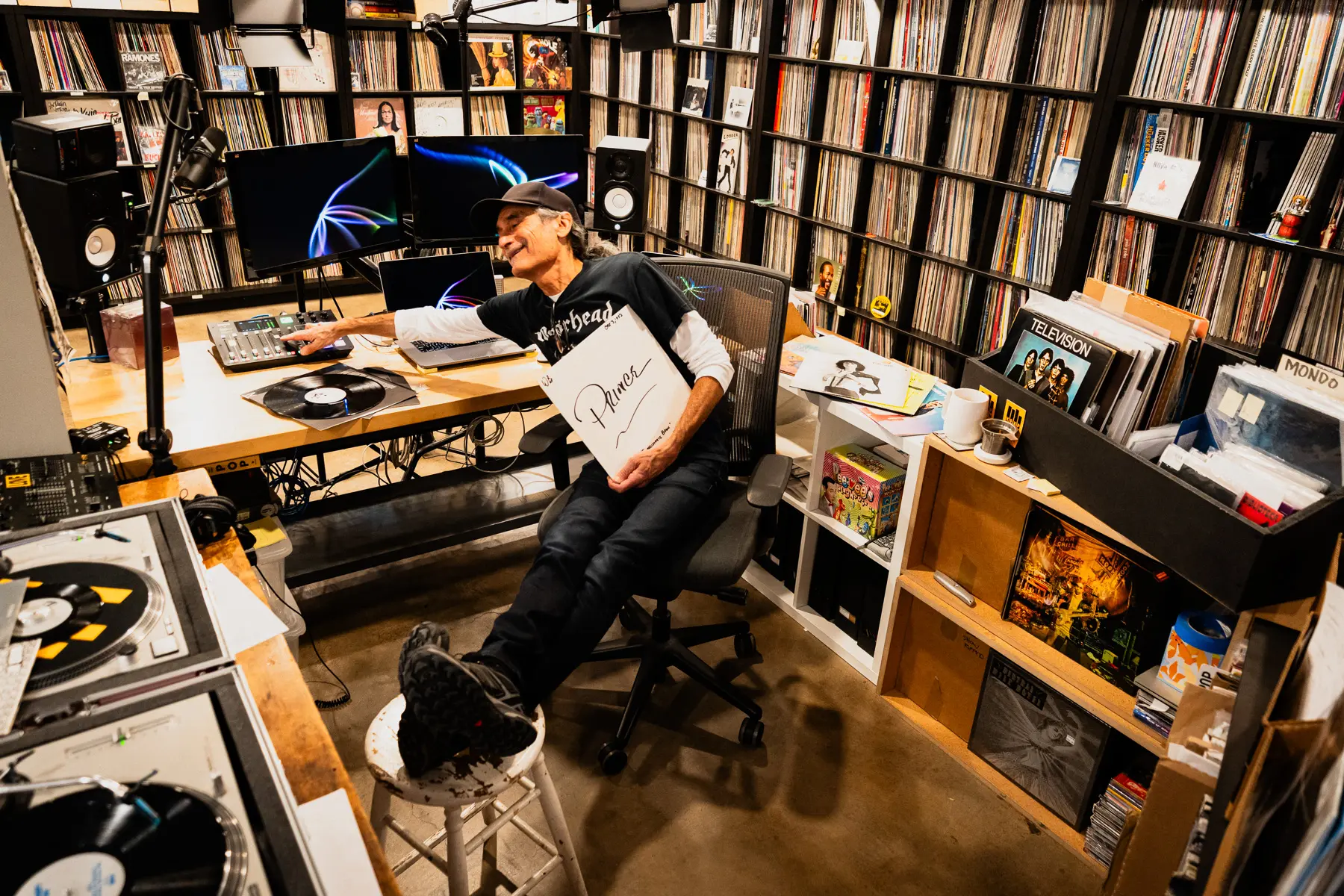
Kevin Cole
“The magic of radio and the magic of music combined was always very powerful for me,” says Kevin Cole, who has been deeply involved in both over the last six decades, first as a fan and musician, and then as a record store clerk and radio and club DJ. Since 1999, Cole has been a fixture on Seattle’s KEXP (formerly KCMU), where he served as Director of Programming/Chief Content Officer for 18 years, as well as one of the station’s best-loved disc jockeys.
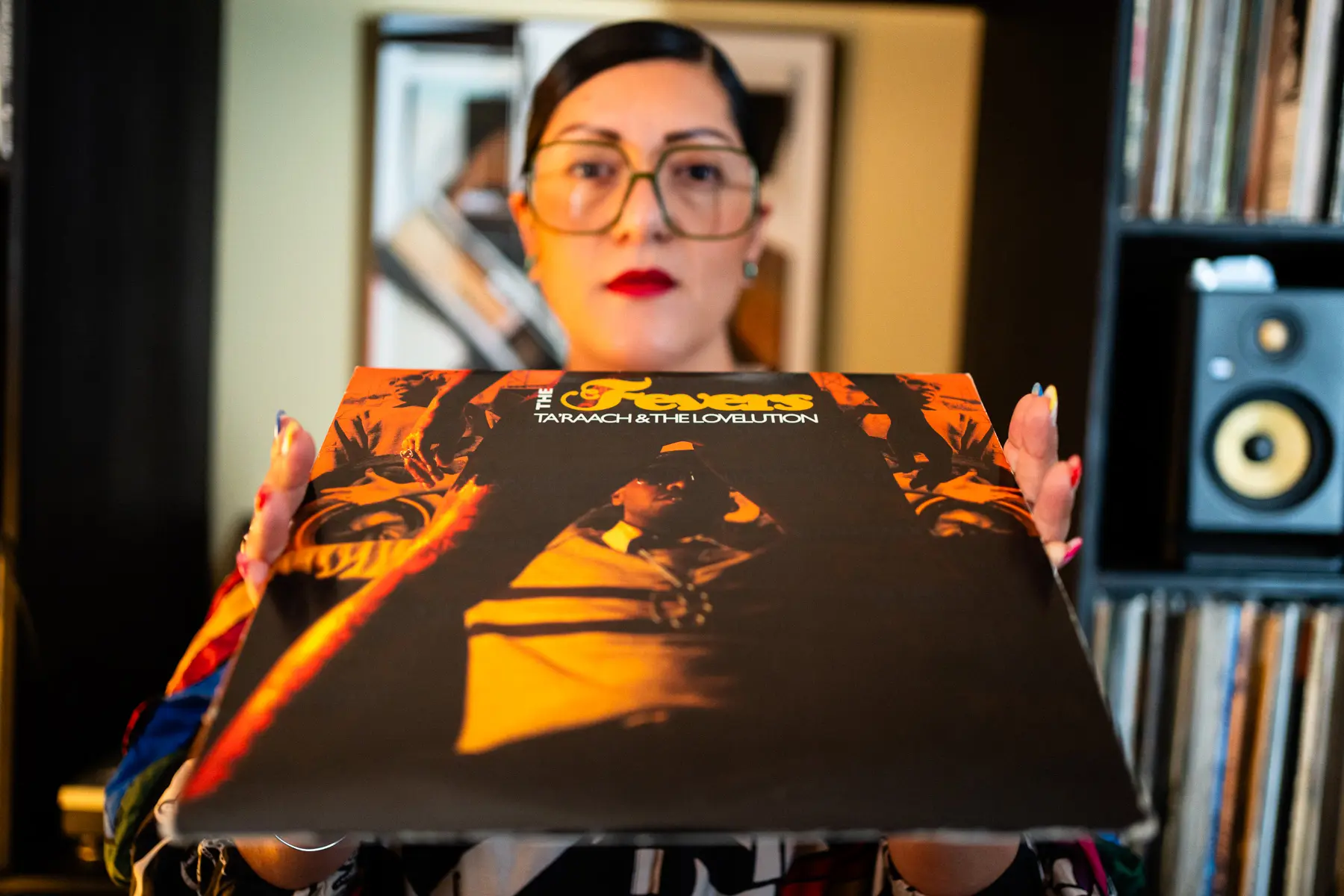
Ro Wyldeflower Contreras
Rocio Contreras, known as Wyldeflower on flyers and the radio and Ro to her friends, is a deeply connected Los Angeles–based multi-hyphenate creative, record collector, DJ, and radio host who lives her life as a kind of professional appreciator and vibe curator, piecing together creative endeavors and always seeking new sounds.
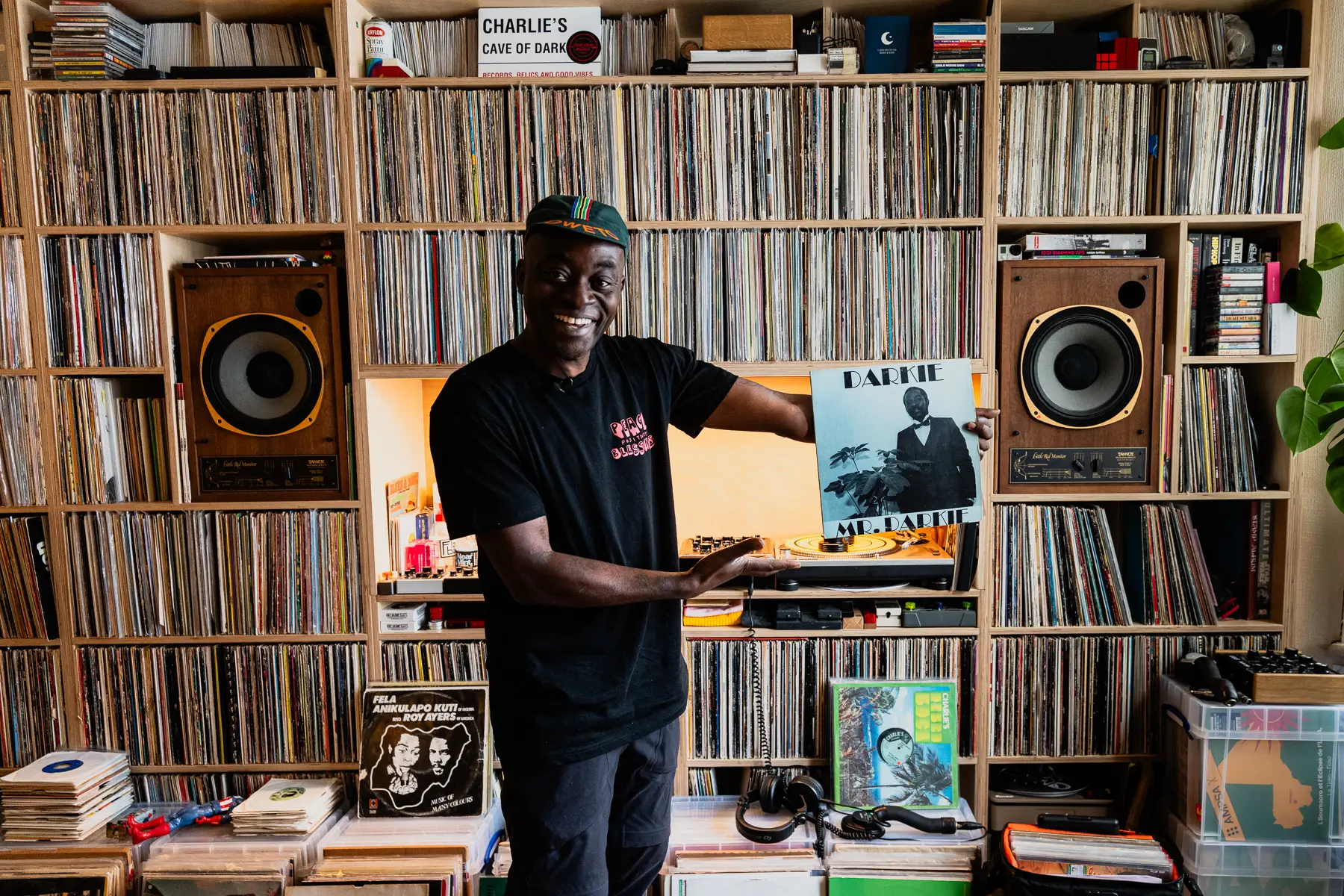
Charlie Dark
Born in the early 1970s in London’s salubrious East Dulwich to Ghanaian parents who sacrificed for their children, Charlie Dark’s upbringing was anything but run-of-the-mill. As a teenager, he found himself in private school, feeling like something of a misfit, an “alien,” to use his own words.
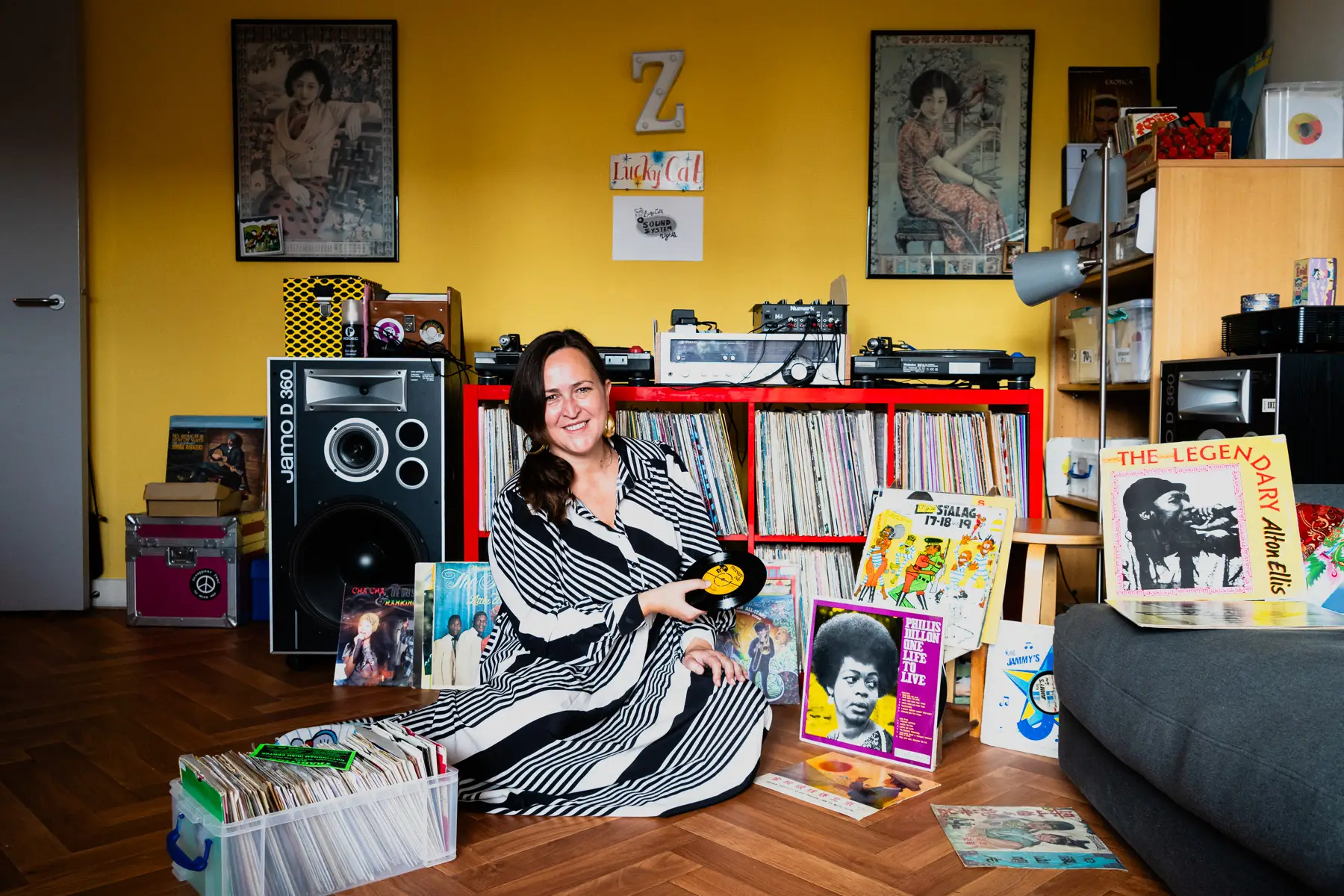
Zoë ‘Lucky Cat’ Baxter
Arriving in Zoe Baxter’s living room is like stepping back in time and entering a contradictory cultural space. Her beloved Jamo speakers stand on either side of the Technics decks, powered by an amp older than she is.
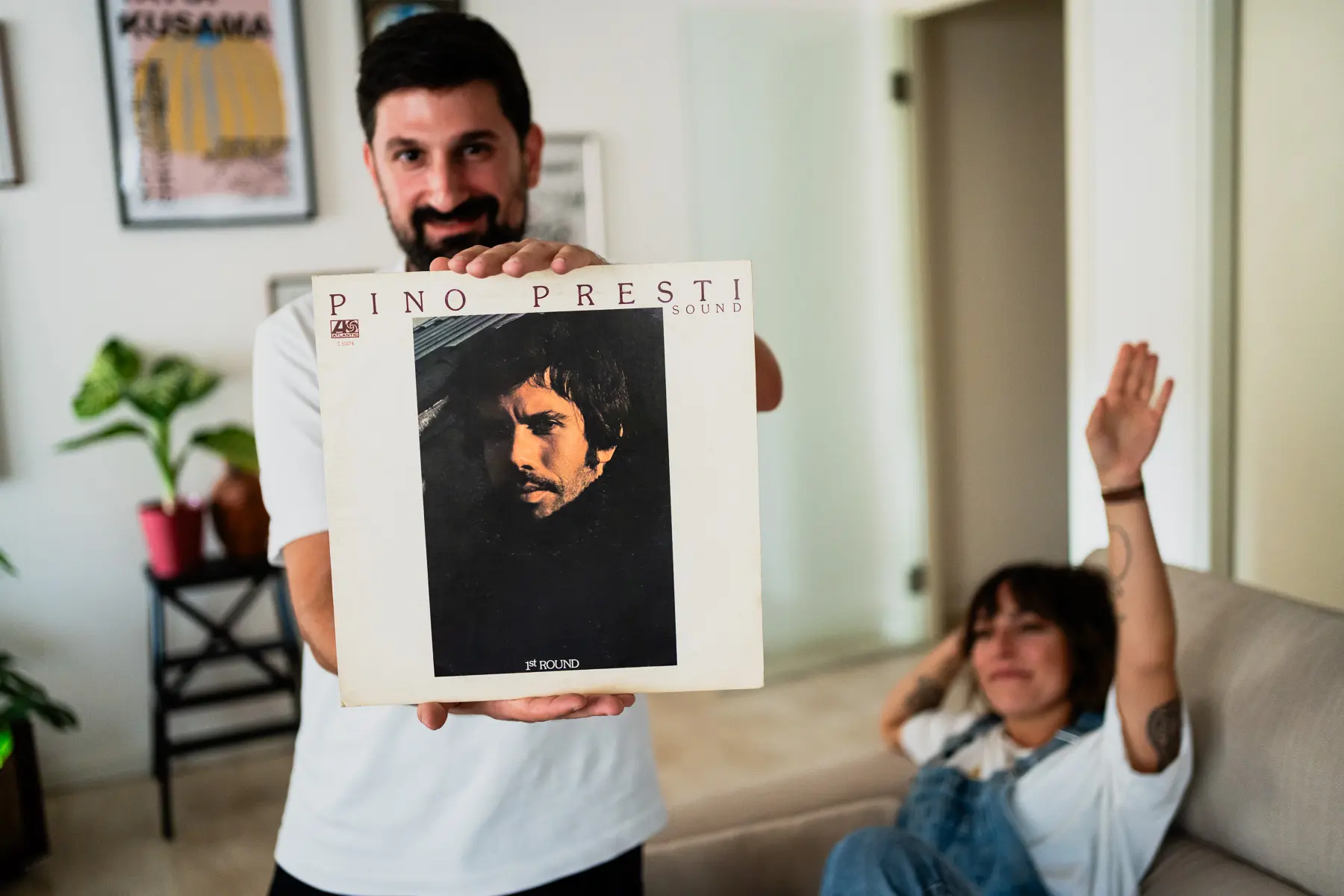
Raregems
The only thing better than one record collection? Combining two with your equally music-obsessed partner. The only downside? “The paranoia that arises when a record gets lost!”
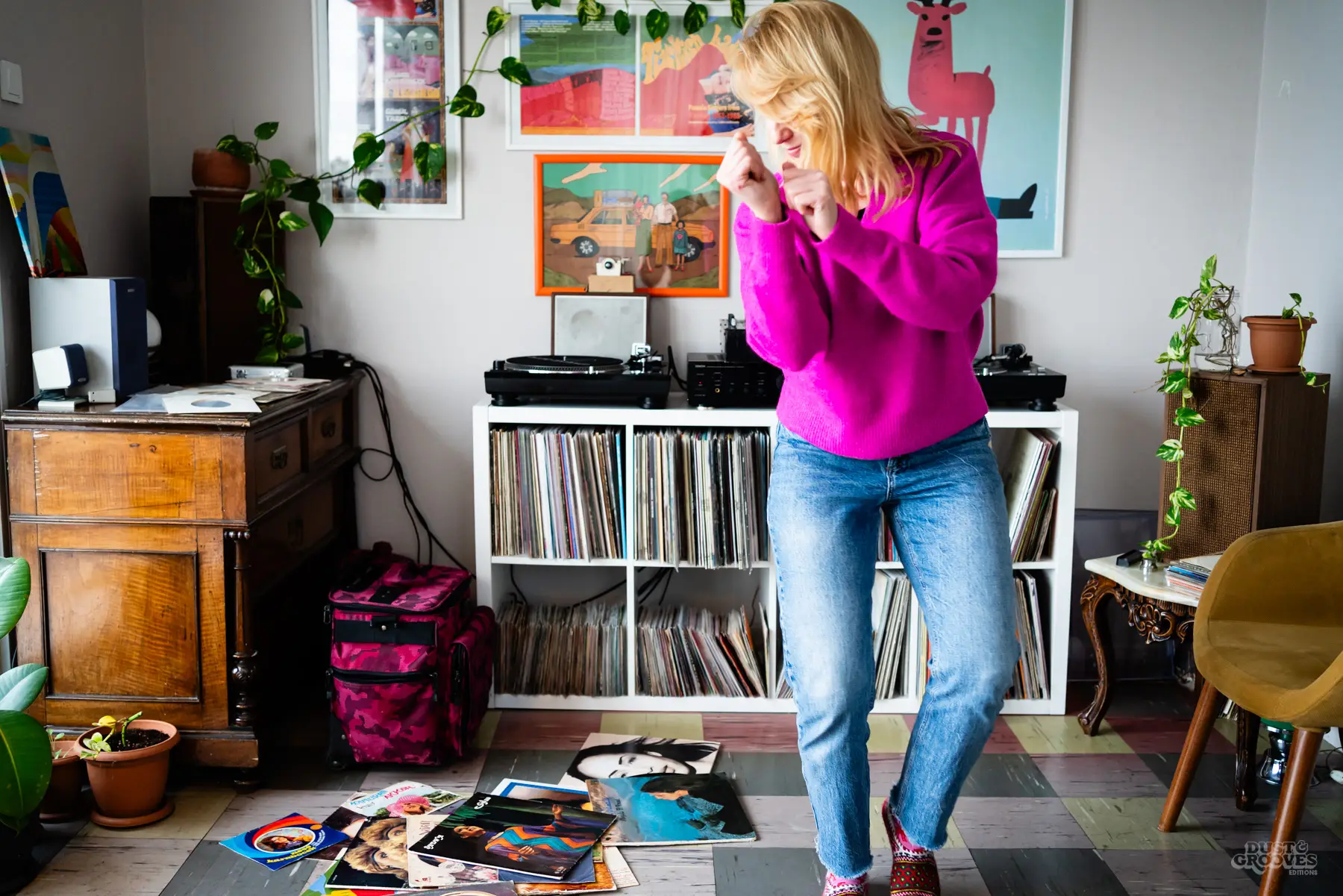
Kornelia Binicewicz
On an island near Istanbul, reachable only by ferry, lives a very special storyteller. She is a record collector, an anthropologist, a curator. What might read like the premise for a modern fairytale is, in fact, the story of Kornelia Binicewicz—the woman behind Ladies on Records. Through this project, her DJing, and her curated compilations, Kornelia tells us about the women both at the forefront and in the shadows of the male-led music industry. This is no ordinary record collector—this is
DaM FunK
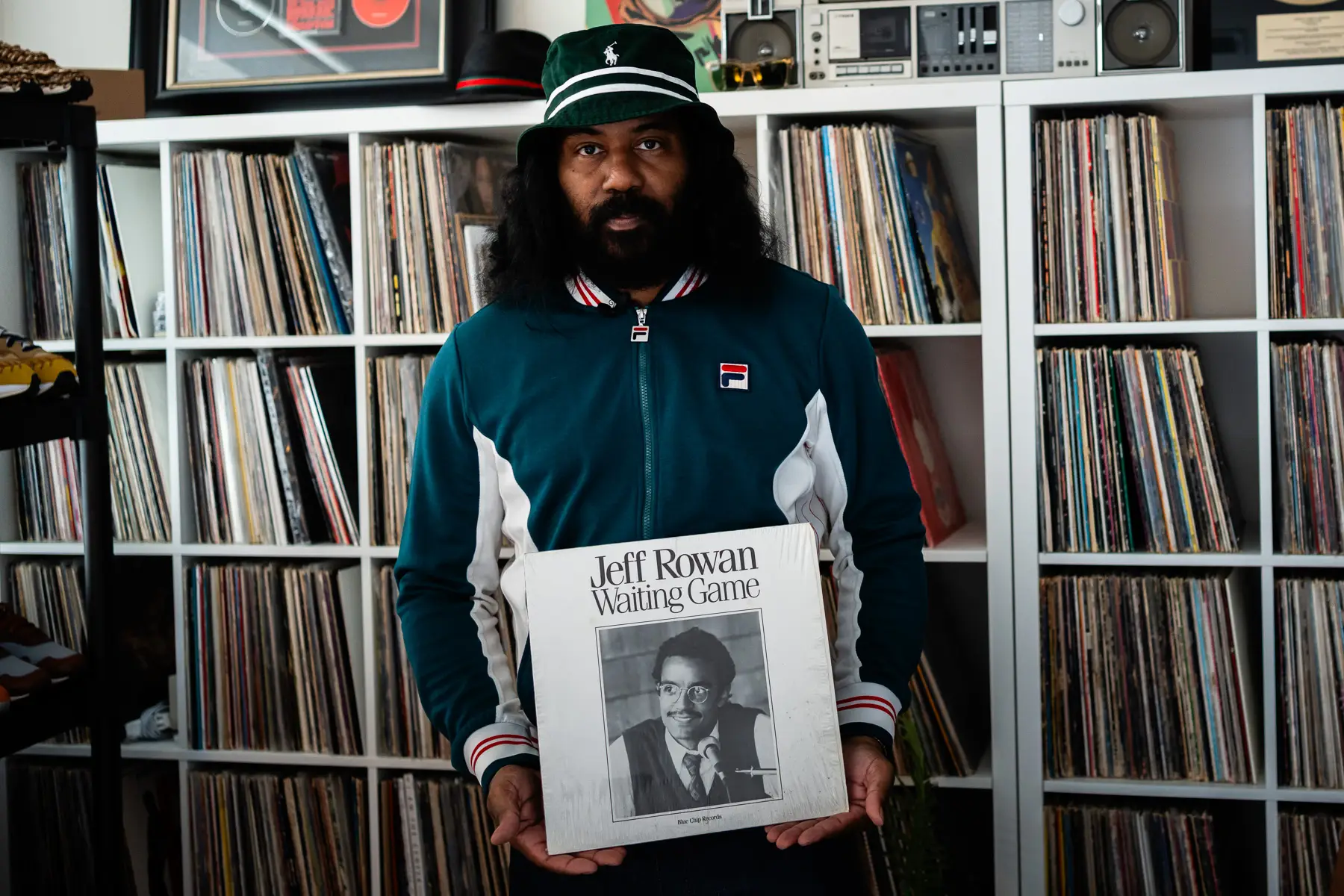
Damon “DāM-FunK” and I go way back. In 2008, captivated by the rawness of Rhythm Trax Vol. 4 (and “Burgundy City,” the single that followed) I was determined to know more about this emerging, seemingly elusive artist. The swells, the swing and the synth of his sound drew close to the touchstones of soulful dance music. Yet, Dam’s drum programming, arrangements and tempos had a musical intellect that felt distinctly unique.
Paola Puente
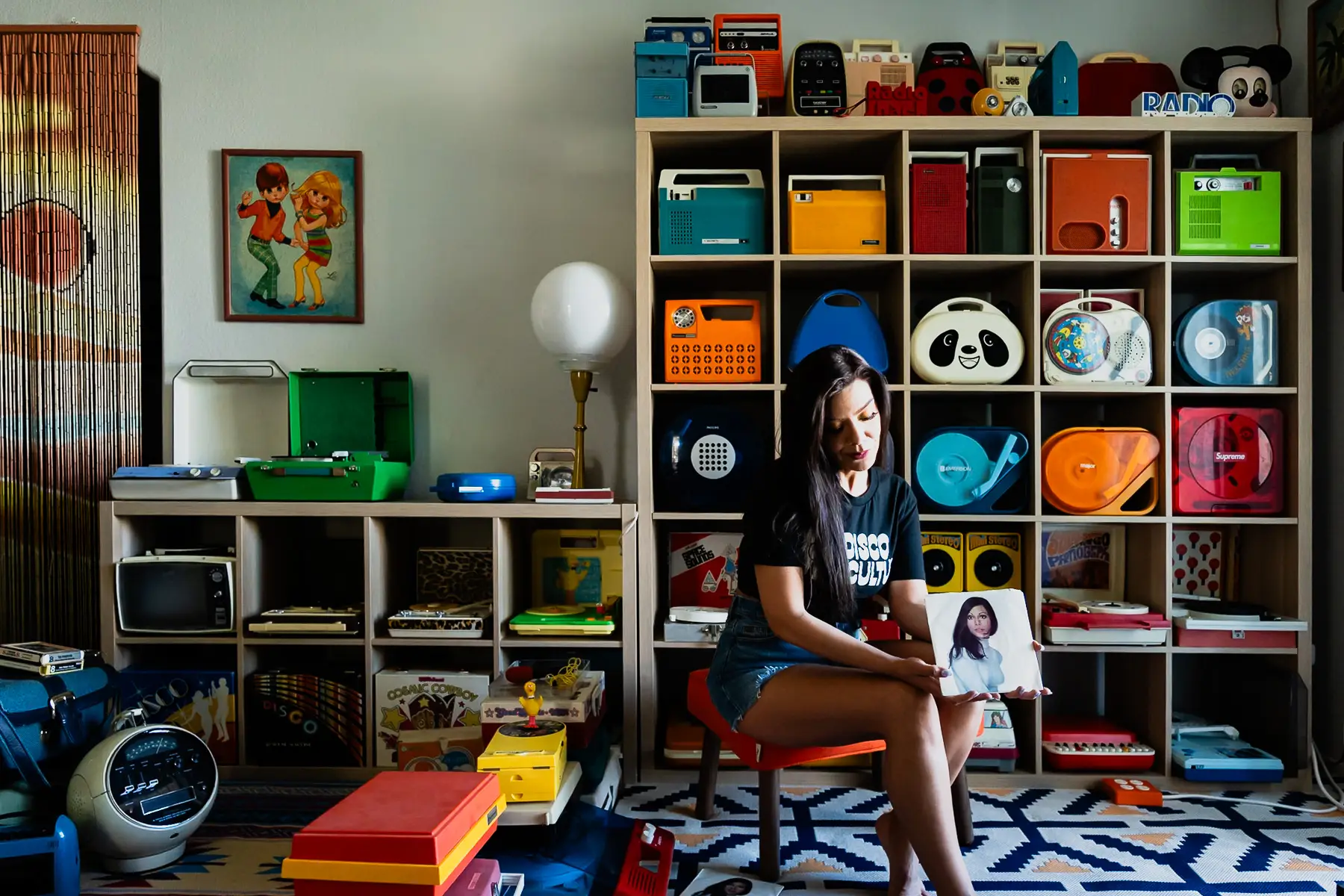
If Paola Puente’s records, portable turntables, vintage toys and ephemera were housed in a museum, it would be enough to make The Smithsonian envious. The fact that one individual has single-handedly amassed such a meticulously curated collection is extraordinary.